
Swimming Franchise Platform
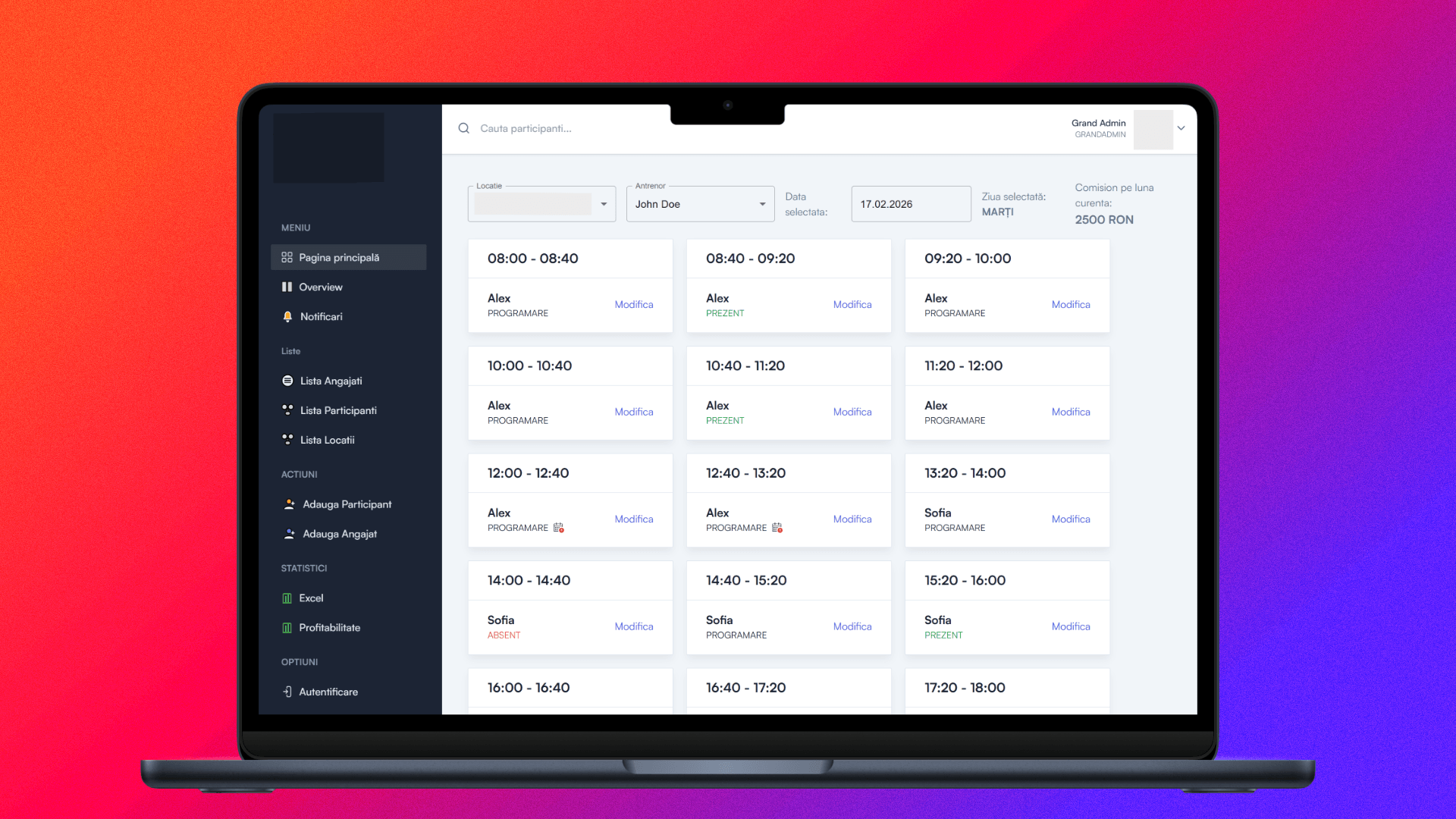
TL;DR
Role: Full Stack Developer (Lead Backend)
Timeline: 10 Months
Tech Stack: Next.js, NestJS, MongoDB, Tailwind CSS
The Goal: Digitize and centralize operations for a swimming franchise scaling to 10+ locations.
1. The Problem: Scaling Beyond Spreadsheets
Before this platform, the franchise relied on fragmented Excel spreadsheets and manual communication to manage 500+ attendees and staff across multiple pool locations. This caused scheduling conflicts, payroll bottlenecks, and a lack of centralized data for the management team. They needed a unified, multi-tenant cloud platform that was secure, fast, and easy to use poolside.
2. The Solution & Core Features
A. Multi-Tenant Architecture & RBAC I engineered a custom Role-Based Access Control (RBAC) system. This allowed Headquarters to have a global view of all financial metrics, while restricting local coaches and branch managers strictly to their own location's data and schedules.
B. Financial Analytics
Handling financial metrics across multiple franchises requires strict data integrity. I engineered a robust financial module using complex MongoDB aggregation pipelines to automatically calculate branch profitability. The system dynamically generates accurate salary reports based on real-time attendance logs, class types, and individual coach rates, eliminating hours of manual accounting.
C. Automated Admin Workflows
To improve operational efficiency, we implemented automated admin workflows and notifications for pending approvals, ensuring coaches could quickly resolve scheduling blockers without manual follow-ups.
3. The Engineering Challenges
To maintain high performance with complex relational data (Locations -> Pools -> Attendees), I utilized MongoDB document referencing for locations and embedded documents for localized attendance logs. This, combined with offloading heavy aggregation pipelines to NestJS, kept the Next.js client highly responsive.
4. The Results & Impact
Error Reduction: Completely eliminated scheduling conflicts and manual accounting errors by centralizing data validation.
High Adoption: Successfully onboarded 500+ attendees into the digital system, eliminating paper logs.